

Story
Education gives us the tools to imagine a different future together
- Date:
- Source:
- OSCE High Commissioner on National Minorities
- Fields of work:
- Conflict prevention and resolution, Human rights, National minority issues, Tolerance and non-discrimination, Education, Gender equality, Youth
- Focus area:
- Education Integration National minority issues Contested histories
Interview with Lidija Županić Šuica, founder and director of Education for the 21st Century, which won the 2026 Max van der Stoel Award.
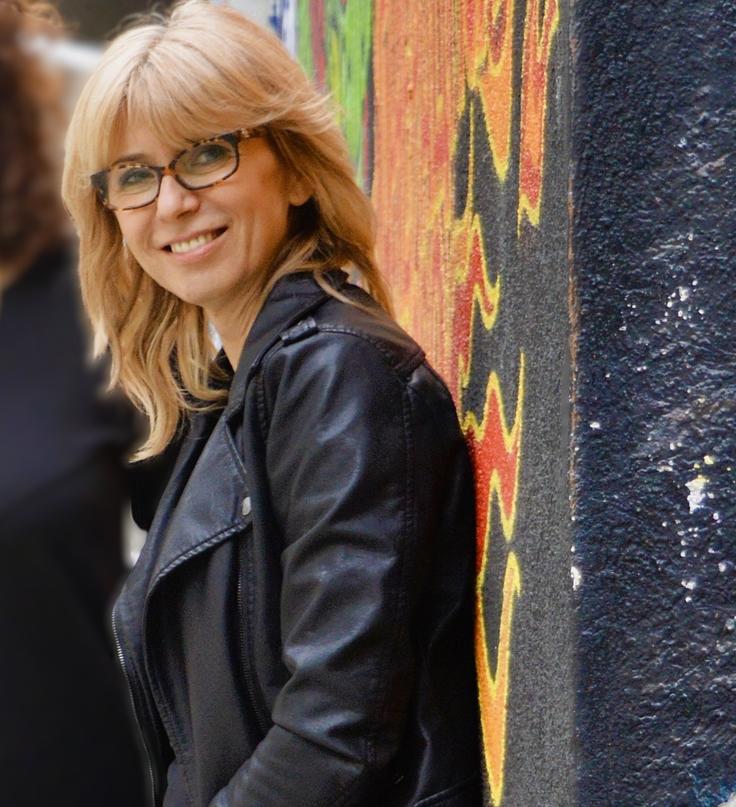
Lidija Županić Šuica, founder and director of Education for the 21st Century.
We can change the world
The impact that Lidija Županić Šuica’s teaching has on her students is significant. They recall learning to question, explore and see their society from different perspectives.
One of the ways she empowers them is through the non-governmental organization, Education for the 21st Century, which she founded in 2011.
This year, Education for the 21st Century won the Max van der Stoel Award for “its work to promote tolerance, inclusion and respect for diversity through education.” The Jury of the Max van der Stoel Award recognized the far-reaching effects that this NGONGO
non-governmental organization has created through its recommendations, teaching materials and resources.
But it begins at the personal level. Lidija explained that “after the dissolution of Yugoslavia and the wars that followed, I witnessed how quickly the society around us can change. It made me think about identity, different perspectives and the way our understanding of the world is shaped by the context in which we live.”
“I wanted to understand how such changes happen, and what I could do to help young people understand the world around them, take an active role in society and have a say in the decisions that affect their lives.”
After Lidija began teaching civic education in addition to art history, she started thinking about the effect education can have on society. “For me, education became a space to be engaged and active, and to find ways to prevent us from repeating the mistakes of the past.”
Modern education includes multiple perspectives
In the early 2000s, Serbia started a process of education reform. Lidija recalls that “it was a positive time, when education for democracy was becoming increasingly important. Things felt hopeful.” She began exploring the ways in which formal and non-formal education can contribute to social change and give young people the confidence and opportunities to become active participants in society.
The Jury noted that Education for the 21st Century “is dedicated to modernizing education in a way that raises the visibility of national minorities, promotes inclusive historical narratives and supports social cohesion across the region.”
“Education is one of the most powerful ways we have of changing society, and that includes not only what we learn, but also how and where we learn.”
She recalls that “teaching was largely based on transmitting knowledge rather than encouraging students to explore, question and think for themselves. Knowledge was presented as something fixed and unquestionable. There was little space for different perspectives, identities and experiences. Many groups were missing, or presented only from the perspective of the dominant narrative.”
Lidija says that “education is one of the most powerful ways we have of changing society, and that includes not only what we learn, but also how and where we learn.”
Learning on the streets
One of the most significant changes that Lidija has made to education is taking it out of the classroom. “Whenever we can, we take our learning to the streets,” she says. She started small, taking her classes to visit different religious communities and cultural sites in Belgrade. It was a simple idea but it opened up conversations about diversity, identity, religion and the different ways in which different communities share and shape the same city.
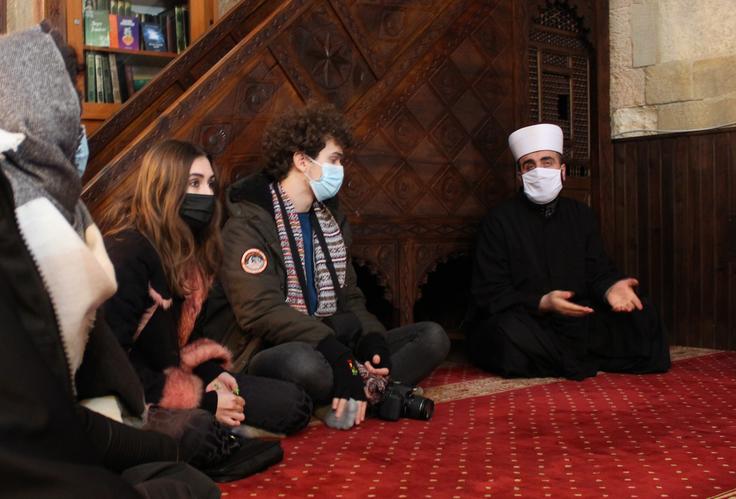
Participants in the Beotura project in conversation with a religious representative at a mosque in Belgrade, 2021.
A tangible outcome is the Beotura resource, which is available online and as an app, and works as a digital archive of Belgrade’s past and present, explaining what is there and what is missing. It invites people to explore the city through multiple perspectives, bringing greater visibility to communities, stories and places that are often overlooked.
“When we walk in the streets, we also look at what is not there,” she says. “What is missing, what was destroyed, forgotten, neglected or deliberately removed from our collective memory, can tell us a great deal about the past.”
This is powerful because it involves working through difficult questions in an open and accepting environment. When something disappears from the collective landscape, it can disappear from collective memory without future generations ever knowing it existed.
"If young people understand that the past can be seen from different perspectives, they can also imagine different possibilities for the future."
“However, if young people understand that the past can be seen from different perspectives, they can also imagine different possibilities for the future. They don’t take things for granted. They question things, and they want to change things,” she explains.
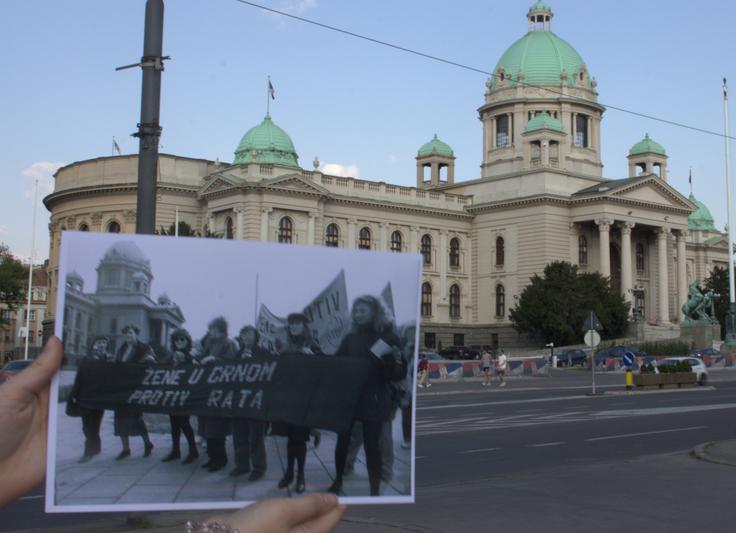
Contested History Tour during one of Education for the 21st Century’s history teaching seminars, 2024.
Imagining a better future
A central part of the work of Education for the 21st Century has been making minority communities more visible in education and in the public space. This involves researching their histories and heritage, working directly with members of minority communities and bringing their experiences and perspectives into educational materials and public initiatives.
Over the years, this work has grown through teaching materials, methodologies, digital resources, teacher training and international projects. The experience and knowledge gained through these activities are now shared with educators across Europe through Education for the 21st Century and its work with EuroClio ‒ European Association of History Educators.
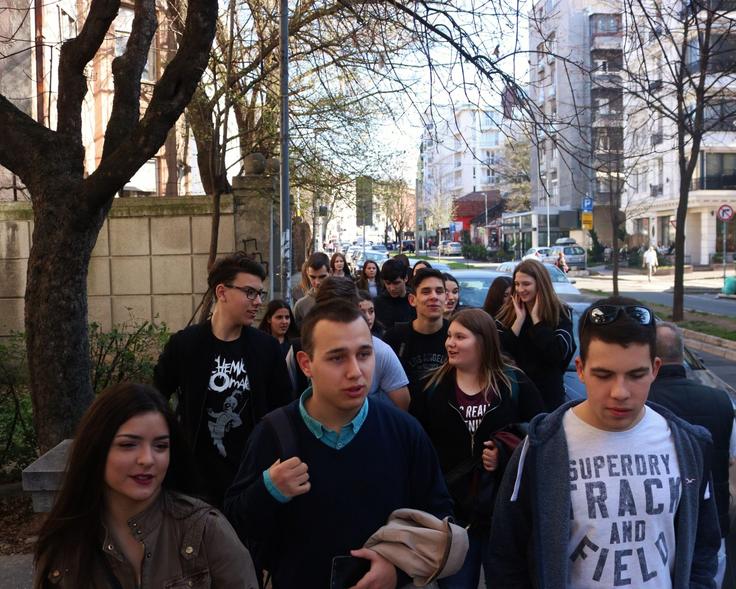
Students from a Hungarian secondary school in Novi Sad visiting students in Belgrade as part of the In Search of Common Heritage project, 2019.
The work continues through international exchange: sharing experiences, adapting methodologies to different contexts and developing new ways to bring perspectives that have too often been left out into education.
But her work does not stop with young people. Through Education for the 21st Century and her work with EuroClio, Lidija works with teachers and educators across Europe, sharing approaches and developing new ways of bringing different perspectives, critical thinking and active citizenship into education. Over the years, this work has grown into a wider international network of educators who are exploring similar approaches in their own communities.
For Lidija, this exchange is essential. It allows educators from different countries to learn from one another, adapt ideas to their own contexts and create new opportunities for young people.
Lidija hopes that this growing network will continue to open new perspectives, challenge established ways of thinking and create meaningful opportunities for people to shape the societies they live in.
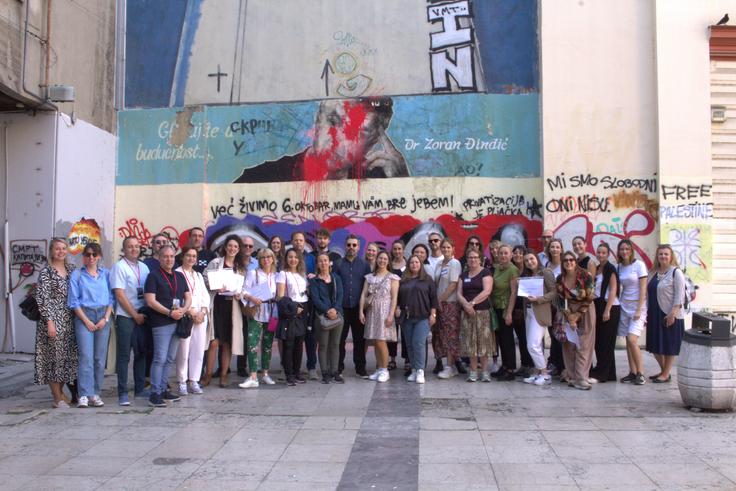
Participants of the Third Belgrade History Teaching Symposium, 2024.
OSCE Impact


Contact
